
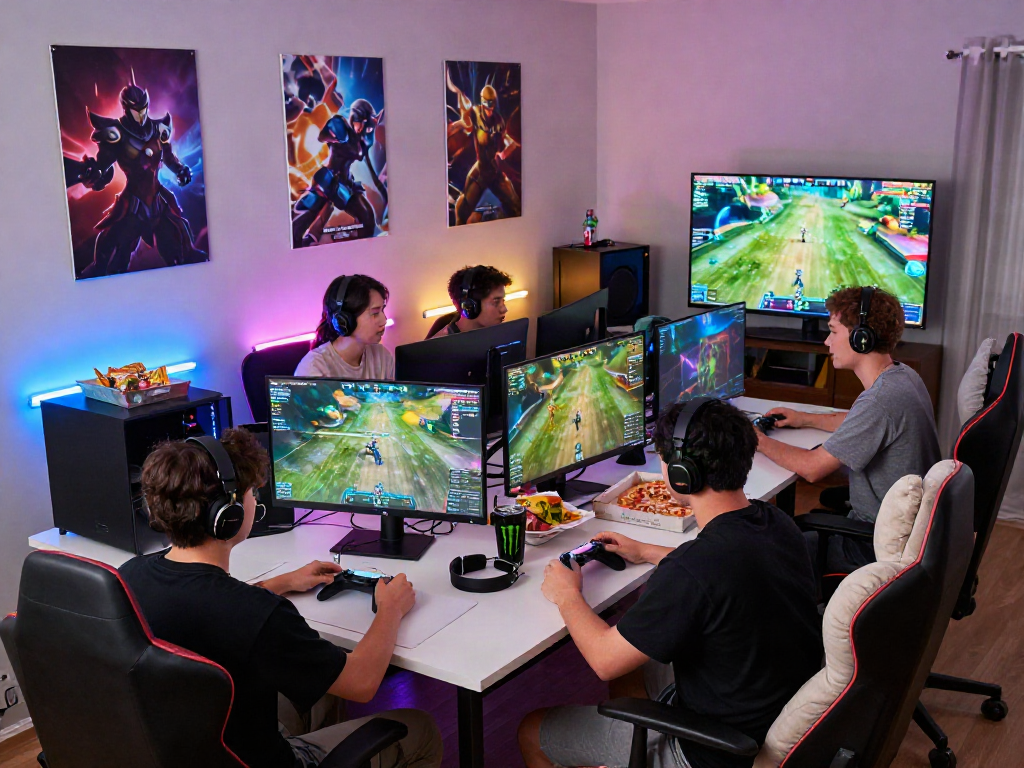
The Evolution of Gaming Culture in 2026
The landscape of gaming culture has seen substantial transformations over the last decade, particularly as we enter 2026. This evolution is characterized by a convergence of technology, community engagement, and increasing accessibility. Today's gamers are not just players; they are part of a dynamic culture that encompasses streaming, social media interaction, and competitive gaming. The rise of platforms that cater to various gaming interests fosters deeper connections among players, thereby enriching the overall gaming experience. For a comprehensive view of these changes, you can explore https://789win11.org/.
Understanding the Growth of Online Gaming
Online gaming has skyrocketed in popularity, with millions of players engaging across various platforms. This growth is driven by several factors, including the rise of high-speed internet, mobile technology, and an increasing interest in e-sports. As games become more immersive, with realistic graphics and interactive storylines, they attract a more diverse audience. Additionally, the convenience of mobile and cloud gaming has enabled players to engage in gaming anywhere, further solidifying its mainstream status.
Current Trends Influencing Gamers
As of 2026, several key trends are shaping the gaming community:
- Cross-Platform Play: Gamers can now interact with friends across different devices, breaking down barriers and fostering inclusivity.
- Streaming Culture: Platforms like Twitch and YouTube have transformed gaming into a spectator sport, creating a new form of entertainment.
- Social Engagement: Games are increasingly designed with social connectivity in mind, allowing for collaborative play and community organization.
The Role of Community in Gaming Today
Community plays a critical role in the gaming landscape. Online forums, Discord servers, and social media platforms allow gamers to connect, share experiences, and foster friendships. Furthermore, user-generated content, such as mods and fan art, continuously enriches the gaming environment, providing players with more avenues for expression and interaction. This collaborative spirit enhances the enjoyment and longevity of games.
Technological Advances Shaping Modern Gaming
The gaming industry is at the forefront of technological innovation. Advancements such as artificial intelligence (AI), blockchain technology, and cloud computing are not just altering gameplay mechanics but are also redefining the business models of gaming companies. Developers now harness sophisticated algorithms to create more engaging, adaptive narratives and gameplay experiences.
The Impact of Virtual Reality on Gameplay
Virtual reality (VR) has made significant strides in the gaming sector, offering players immersive experiences that were previously unimaginable. With headsets becoming more affordable and accessible, VR games are no longer exclusive to niche markets. Titles that utilize VR technology are paving the way for entirely new genres and gameplay mechanics, inviting players to engage with their worlds in profoundly interactive ways.
Next-Gen Consoles and Their Features
The latest generation of gaming consoles is also pushing the boundaries of what is possible. Innovations such as faster load times, enhanced graphics capabilities, and backward compatibility allow players to enjoy a vast library of games. For instance, features like cloud gaming enable players to stream games rather than relying on physical copies, giving them more flexibility and freedom.
Mobile Gaming: The Rise of Accessibility
Mobile gaming continues to thrive, driven by the ubiquity of smartphones and tablets. Developers are increasingly prioritizing mobile-first designs, making games that are not only fun but also accessible to a broader audience. Free-to-play models and in-app purchases are common, allowing players to engage without upfront costs and creating a low barrier to entry.
Competitive Gaming and E-Sports Landscape
The e-sports industry has matured significantly, with professional leagues drawing millions of viewers worldwide. This growth underscores the shifting perception of gaming from a mere pastime to a legitimate form of competition. Major tournaments offer substantial prize pools, and sponsorship deals resemble those in traditional sports, further highlighting the industry's professionalization.
Current E-Sports Competitions and Their Popularity
Major e-sports events, such as the League of Legends World Championship and The International Dota 2 Championship, have attracted massive audiences. These competitions not only showcase the skills of top players but also enhance community involvement, as fans engage via social media, forums, and live events.
How to Get Involved in E-Sports
For those looking to enter the e-sports realm, there are multiple avenues to explore:
- Join a Team: Many communities have local teams that accept new players.
- Stream Gameplay: Building an audience on platforms like Twitch can lead to sponsorship and collaboration opportunities.
- Participate in Tournaments: Competing in smaller tournaments can help you gain experience and recognition.
Analysis of Successful E-Sports Teams
Successful e-sports teams, such as Team Liquid and Fnatic, demonstrate the importance of strategy and teamwork in competitive gaming. These organizations often invest in player development, mental health resources, and celebrity coaches, ensuring that their players are not only skilled but also supported in their careers.
Gaming Communities and Their Influence
Gaming communities have a profound impact not only on individual players but also on the gaming landscape as a whole. These communities can facilitate discussions about game design, influence industry trends, and advocate for player rights. The collective voice of the gaming community is powerful, shaping the future of many beloved franchises.
The Importance of Online Communities for Gamers
Online communities provide a platform for gamers to share tips, strategies, and experiences. These environments foster collaboration and camaraderie, crucial during gameplay. Peer support can also enhance motivation and retention, particularly for new players.
Social Media’s Role in Gaming Engagement
Social media platforms have become essential for gaming engagement. Developers use these platforms to announce updates, while gamers share their experiences and build connections. Platforms like Twitter and Instagram allow for real-time discussions about favorite games, while YouTube and TikTok serve as spaces for sharing gameplay highlights and tutorials.
Building a Community Around Your Favorite Game
Building a community requires commitment and a genuine interest in nurturing relationships. Start by creating forums or social media groups dedicated to your favorite games. Organizing events, such as game nights or contests, can also engage players and strengthen community bonds. As participation grows, these communities can become vibrant hubs for discussion and collaboration.
Future Predictions for the Gaming Industry
Looking ahead to the next five years, the gaming industry is set to undergo even more significant transformations. As technology continues to evolve, the convergence of gaming with other sectors can be expected, resulting in unprecedented experiences for players. This forward momentum will likely attract even more participants to the gaming community.
What to Expect in the Next Five Years
The next five years will likely witness the rise of even more sophisticated AI-driven games that adapt to player behavior. Additionally, the integration of augmented reality (AR) into everyday gameplay may create entirely new experiences that blend the digital and real worlds.
Emerging Technologies in Gaming
Emerging technologies such as blockchain could revolutionize ownership and online transactions in gaming. Innovations like NFTs (non-fungible tokens) might allow players to have true ownership of in-game assets, changing how value is perceived in virtual environments.
How Trends Will Shape Gaming Experiences
As gaming trends evolve, player expectations will shift accordingly. Future games may feature more narrative-driven experiences, encouraging emotional engagement and investment in storylines. Furthermore, as gaming becomes more integrated with social and cultural movements, players will increasingly demand representation and inclusivity in the games they play.
What are the top gaming trends in 2026?
The top gaming trends in 2026 will include the continued growth of social gaming, advanced AI in games, and significant expansions in mobile and VR environments. Players will also prioritize sustainability in game development, reflecting broader societal changes.
How can I get involved in the gaming community?
Getting involved in the gaming community can be achieved by participating in online forums, joining gaming groups on social media, and attending local or virtual gaming events. Engaging with others who share your passion will enrich your gaming experience.
What are the essential features of next-gen consoles?
The essential features of next-gen consoles include ultra-fast loading times, stunning graphics, backward compatibility, and an array of streaming capabilities. Additionally, improved cloud gaming services will become a standard expectation among players.
How is e-sports impacting traditional sports?
E-sports is impacting traditional sports by attracting younger audiences and changing the way competitions are viewed. The rise of live-streaming and sponsorships parallels the traditional sports model, creating new marketing opportunities and fan engagement strategies.
What should I know about future gaming technologies?
Future gaming technologies will likely introduce more immersive experiences, driven by advancements in AI, VR, and AR. It's essential to stay informed about these technologies, as they will redefine how we interact with games and each other.