
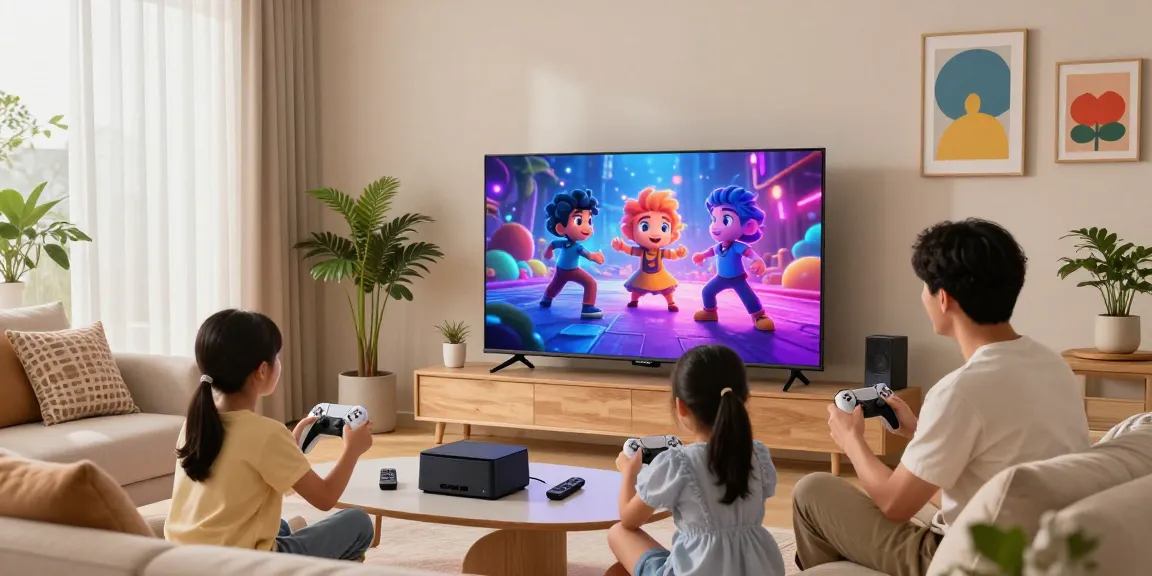
Understanding Smart TV Technology in 2026
As we move deeper into 2026, the world of smart TVs continues to evolve at a remarkable pace, offering consumers more choices and advanced features than ever before. Smart TVs have become a central part of home entertainment, seamlessly integrating streaming services, apps, and smart home technologies into a single device. This guide explores the key elements of smart TV technology, the benefits of upgrading, and what to expect in the dynamic landscape of home entertainment.
When exploring options, smart TV 2026 provides comprehensive insights on the latest models and their features, ensuring consumers make informed decisions.
What is a Smart TV?
A smart TV is a television set that connects to the internet and allows users to access a variety of streaming services, apps, and online content directly from the TV. This functionality extends beyond conventional TV viewing, incorporating innovations such as voice control, integrated web browsers, and the ability to mirror content from mobile devices. The current smart TVs are not just passive receivers of broadcast content; they are interactive devices that transform how viewers consume media.
Key Features of Smart TVs in 2026
Smart TVs in 2026 are equipped with several advanced features that enhance user experience:
- 4K and 8K Resolutions: The majority of new models now support ultra HD and even 8K resolutions, providing stunning image quality.
- HDR Support: High Dynamic Range (HDR) technology enhances the contrast and color accuracy, making images appear more vibrant.
- Voice Control: Integration with AI voice assistants allows users to control their TV and access content through simple voice commands.
- Streaming Apps: Smart TVs come preloaded with popular streaming services like Netflix, Hulu, and Disney+, making it easy to access content.
- Gaming Features: Enhanced gaming modes with low latency and support for cloud gaming services are becoming increasingly standard.
The Evolution of Streaming Services
As streaming services continue to grow, smart TVs are adapting to accommodate a wider range of content providers. In 2026, we see a surge in competition among platforms, leading to more exclusive shows and original content. The integration of these services into the smart TV interface is becoming more seamless, providing users with recommendations based on viewing habits and easy access to favorite shows and movies.
Benefits of Upgrading to a Smart TV 2026
Upgrading to a smart TV brings numerous advantages, making it an appealing choice for tech-savvy consumers:
Enhanced Viewing Experience
With the latest display technologies, smart TVs offer unparalleled picture quality. Features like OLED panels and mini-LED backlighting provide deeper blacks and brighter whites, significantly enhancing contrast. Additionally, technologies such as Dolby Vision and HDR10+ ensure that viewers enjoy an optimized visual experience that adapts to the content being displayed.
Accessibility and Convenience
Smart TVs consolidate multiple entertainment sources into one device. Users can easily switch between streaming services, cable channels, and external devices, reducing clutter and enhancing convenience. Furthermore, smart TVs often come with user-friendly interfaces and customizable home screens, allowing viewers to tailor their experience according to their preferences.
Integration with Smart Home Devices
In 2026, smart TVs serve as central hubs for smart home ecosystems. They can integrate with devices such as smart speakers, lighting systems, and security cameras, allowing users to control their entire home environment from one screen. Features like screen mirroring and casting enable users to share content from their smartphones directly to the TV, making it ideal for social gatherings.
Top Smart TV Models to Consider for 2026
With an array of options available, it’s essential to know which smart TVs stand out in 2026.
Comparative Analysis of Leading Brands
Several brands dominate the smart TV market, each offering unique features:
- Samsung: Known for its QLED technology, Samsung TVs offer brilliant color reproduction and advanced gaming features.
- LG: Pioneers of OLED technology, LG TVs provide unparalleled black levels and stunning picture quality.
- Sony: Notable for their processing capabilities, Sony TVs excel in upscaling lower resolution content and feature robust built-in sound systems.
- TCL: A budget-friendly option that has gained popularity for offering high-quality displays and smart features at competitive prices.
Best Budget Smart TVs of 2026
For those looking to upgrade without breaking the bank, several budget-friendly smart TV models have emerged in 2026:
- TCL 6-Series: Offers excellent picture quality with mini-LED technology at an affordable price.
- Hisense U6 Series: Combines solid performance with a user-friendly interface, perfect for families.
- Samsung Crystal UHD: Delivers bright images and smart features at a lower cost, ideal for casual viewers.
Premium Models Worth the Investment
For viewers who demand the best in technology and performance:
- LG CX OLED: Combines OLED technology with a sleek design, offering one of the best viewing experiences available.
- Samsung QN900A: An 8K TV that encompasses cutting-edge technology, perfect for future-proofing your home theater.
- Sony A90J OLED: Renowned for its stunning visuals and sound quality, ideal for movie enthusiasts.
Common Challenges When Choosing a Smart TV 2026
While smart TVs bring numerous benefits, there are challenges to consider when making a purchase:
Understanding Different Operating Systems
Smart TVs run on various operating systems, including Android TV, Tizen, and webOS. Each has its own user interface, app availability, and features. It’s vital for consumers to understand these differences to choose a system that aligns with their usage patterns and preferences.
Connectivity and Compatibility Issues
Smart TVs require a stable internet connection to function optimally. Additionally, ensuring compatibility with existing devices, such as gaming consoles and sound systems, can sometimes pose challenges.
Dealing with Software Updates
Software updates are essential for the security and functionality of smart TVs. However, some users may find that brands approach updates differently, leading to varying experiences in terms of new features and system performance.
Future Trends in Smart TV Technology
The landscape of smart TV technology is continually evolving. Here are some anticipated trends that could shape the future:
Advancements in Display Technology
As competition intensifies, we can expect even more advancements in display technology. Mini-LED and MicroLED technologies are likely to gain traction, offering improved brightness and contrast without compromising size or weight.
AI Integration for Personalized Experiences
Artificial intelligence is expected to play a significant role in enhancing viewer experiences. Smart TVs may evolve to provide personalized content recommendations based on viewing habits, potentially transforming the way we consume media.
The Role of VR and AR in Future TVs
The integration of virtual reality (VR) and augmented reality (AR) into smart TV technology could provide immersive experiences for viewers, allowing for interactive content viewing that moves beyond traditional screen experiences.
What will Smart TVs look like in 2026 and beyond?
Looking ahead, smart TVs are expected to feature sleeker designs with thinner bezels, flexible screens, and advanced connectivity options that make them even more integral to the home entertainment ecosystem. With rapid technological advancements, the future of smart TVs appears brighter than ever, promising an array of exciting developments.